
Thermal Monoculars for Clear Night-Time Observation
Thermal Monoculars are a practical choice for users who need to detect heat signatures in low-light or complete darkness. Unlike standard optics, a Thermal Monocular does not rely on visible light, which makes it useful for wildlife observation, countryside scanning, land management and general night-time viewing.
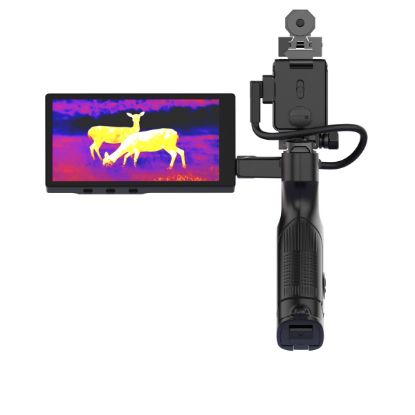
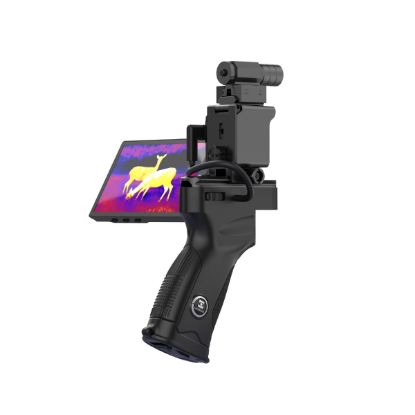
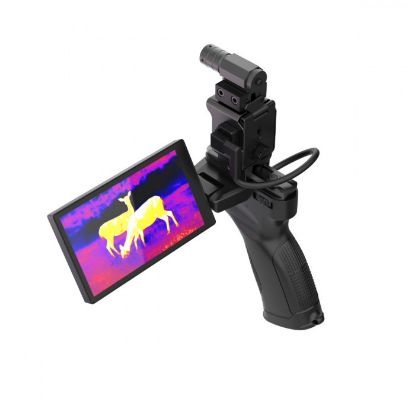
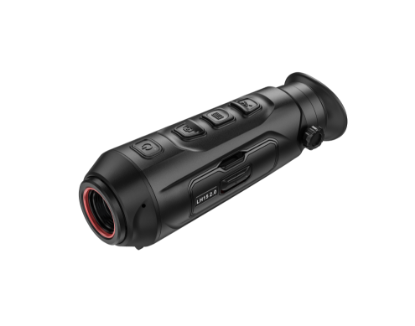
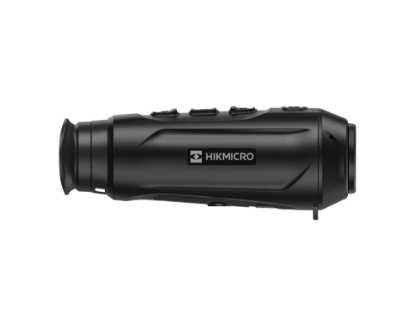
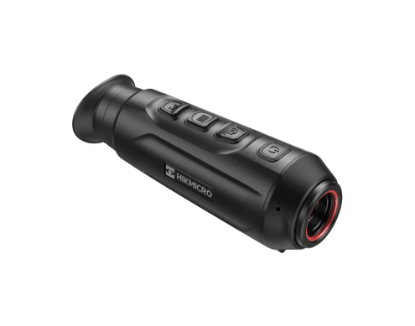
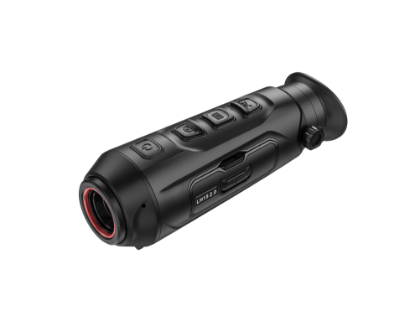
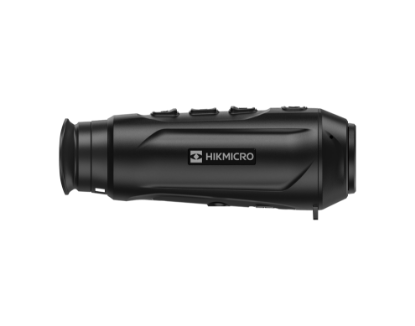
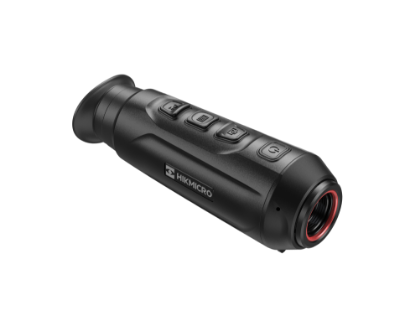
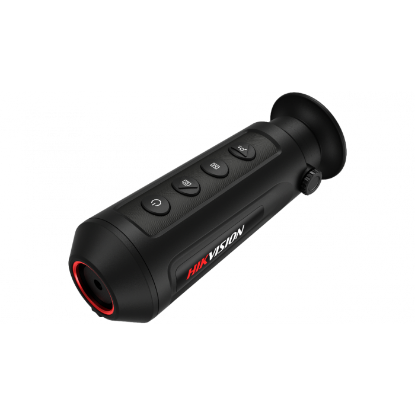
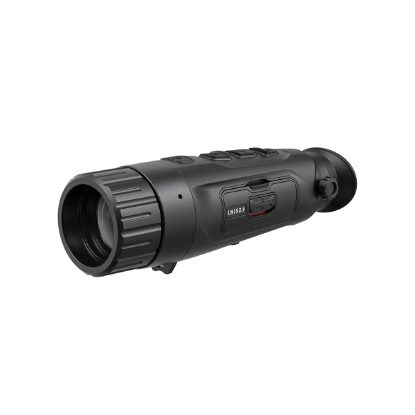
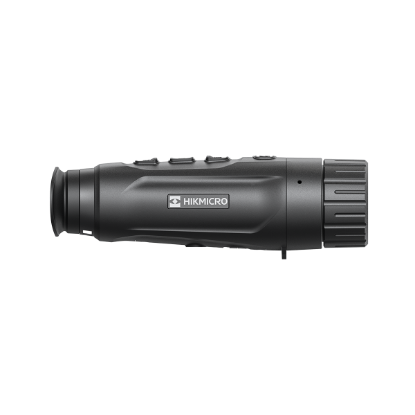
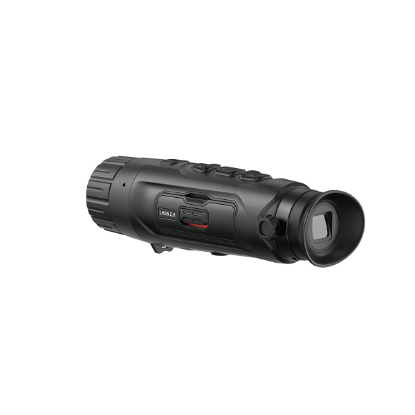

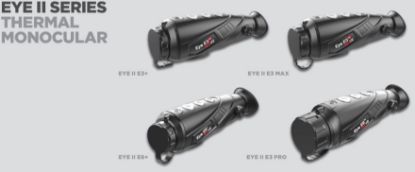
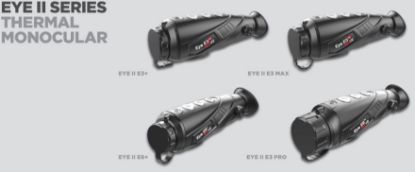
Different models offer different detection ranges, sensor resolutions, display quality and levels of portability, so the right choice will depend on how far you need to scan and how much image detail you require.
At Solware, we stock a broad range of thermal viewing equipment from established manufacturers, including HIKMICRO thermal and InfiRay thermal models.
Whether you need a compact handheld unit for regular use or a higher-specification option for longer-range observation, our Thermal Monoculars range gives you plenty of choice across different performance levels and budgets.
FREQUENTLY ASKED QUESTIONS ABOUT MONOCULARS
A Thermal Monocular is used to detect heat signatures rather than visible light, making it suitable for use at night, in low light and in difficult viewing conditions. Thermal Monoculars are commonly used for wildlife observation, countryside scanning, land management and general outdoor viewing after dark. Because the image is based on temperature differences, warm objects can stand out clearly against cooler surroundings. The most suitable model will depend on the distance you need to observe, the level of image detail you want and whether a compact, lightweight unit is important for regular handheld use.
Start by considering how far you normally need to scan and the level of detail you want to see. Thermal Monoculars can vary considerably in sensor resolution, detection range, display quality, lens size and overall weight. A compact Thermal Monocular may be ideal for short to medium-range observation, while a higher-specification model may suit users who need longer-range detection or finer image detail. It is also worth comparing battery life, size and ease of use. Choosing the right model is mainly about matching the specification to the type of viewing you expect to carry out most often.
Yes. Thermal Monoculars are designed to work without visible light because they detect heat rather than relying on daylight, moonlight or an external light source. This means a Thermal Monocular can still identify warm objects in complete darkness, although the clarity and detection distance will depend on the specification of the individual model. Weather conditions, vegetation and the temperature difference between the subject and its surroundings can also affect the image. For users who regularly observe wildlife or scan outdoor areas at night, thermal imaging provides a practical way to locate heat signatures that would be difficult to see with standard optics.