Thermal Vision Equipment for Night-Time Observation
Thermal imaging gives users a practical way to detect heat signatures in darkness, low light and difficult viewing conditions. Rather than relying on visible light, thermal technology highlights temperature differences, making it useful for wildlife observation, land management, pest control and general night-time scanning.
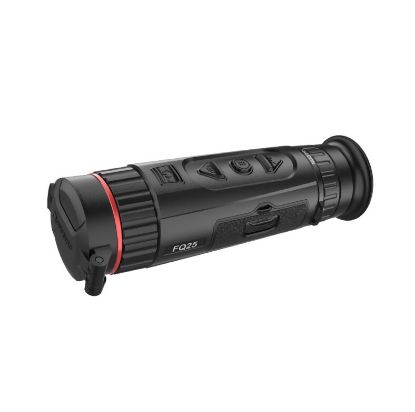
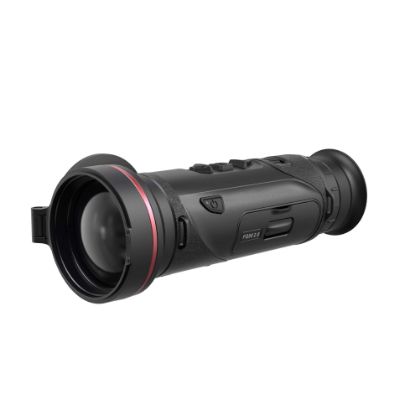
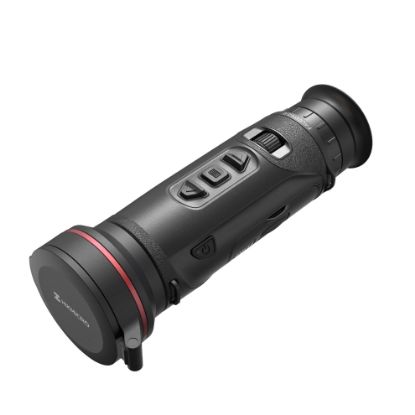
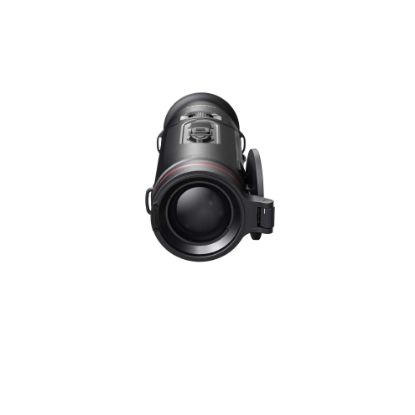
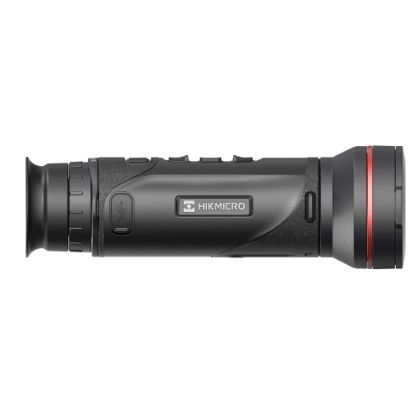

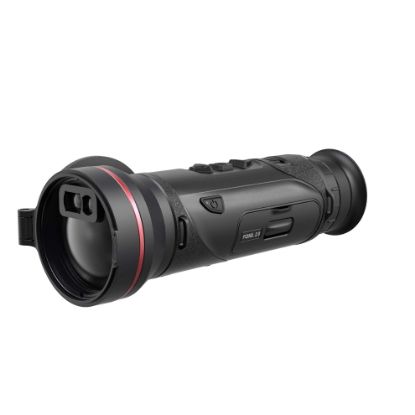
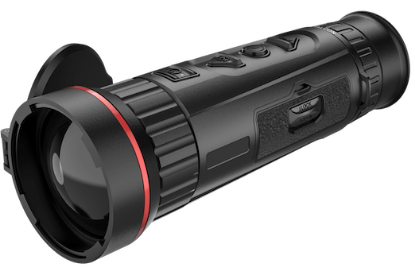
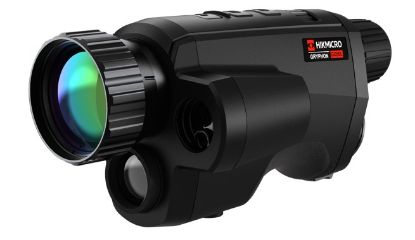
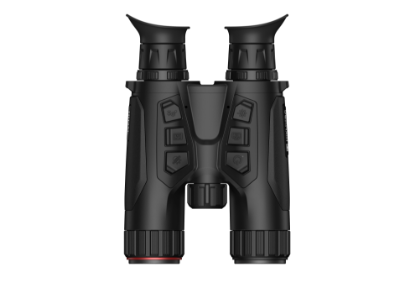


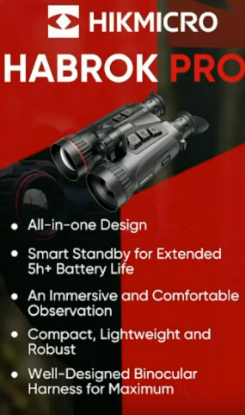
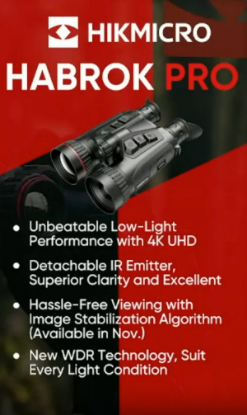
Different types of equipment suit different requirements. Thermal vision scopes are designed for users who want thermal capability integrated into a sighting setup, while thermal binoculars provide a two-eye viewing experience that can be comfortable during longer observation sessions. Handheld thermal monoculars are another popular option because they are compact, easy to carry and well suited to quickly scanning larger areas.
At Solware, customers can compare a broad selection of thermal and night-viewing equipment alongside our wider range of optics.
If portability is a priority, our dedicated range of thermal monoculars includes models covering different sensor specifications, detection distances and budgets. Customers looking for more traditional sighting equipment can also explore our range of telescopic sights.
The right thermal setup will depend on how and where it is going to be used, the typical observation distance and the level of image detail required. Comparing sensor performance, lens size, display quality, battery life and overall weight can help narrow down the most suitable option.
FREQUENTLY ASKED QUESTIONS ABOUT Thermal Vision Equipment for Night-Time Observation
Thermal vision detects differences in temperature rather than relying on visible light. Objects that are warmer or cooler than their surroundings appear differently on the display, allowing users to identify heat signatures in darkness and low-light conditions. This makes thermal equipment useful for wildlife observation, land management and general outdoor scanning at night. Performance will vary between models depending on factors such as sensor resolution, lens size and detection range. Weather and environmental conditions can also affect the image, so it is worth comparing specifications carefully when choosing thermal equipment for a particular type of use.
Thermal imaging and traditional night vision work in different ways. Thermal equipment detects heat signatures, while night vision generally amplifies available light or uses infrared illumination to produce an image. Thermal can therefore make warm objects stand out even when there is very little visible light. Night vision, on the other hand, can provide a more familiar-looking image with greater environmental detail in some conditions. Neither technology is automatically better for every situation. The right choice depends on whether your priority is locating heat sources, identifying surrounding detail or using equipment over particular distances and lighting conditions.
Detection distance depends heavily on the specification of the device. Sensor resolution, lens size, target size and environmental conditions can all influence how far a heat signature can be detected. A higher-specification unit may be able to identify a heat source at considerably longer distances than a compact entry-level model, but detection does not always mean clear identification. It is therefore important to look at both the stated detection range and the level of image detail offered by the device. For most users, matching the equipment to their normal viewing distance is more useful than simply choosing the longest advertised range.
Start with how you expect to use the equipment most often. Consider the usual viewing distance, whether you need a handheld or mounted setup, and how important size and weight are. Sensor resolution, display quality, lens size, detection range and battery life are all worth comparing. It is also useful to think about how frequently the unit will be carried or used for longer observation sessions. The best option is generally the one that balances performance, portability and budget around your actual requirements, rather than simply choosing the model with the highest specification on paper.